Introduction
5G technology is transforming the landscape of mobile connectivity, offering unprecedented speeds, lower latency, and increased capacity. This guide explores the impact of 5G, its applications, and looks ahead to future developments.
Impact of 5G on Mobile Connectivity
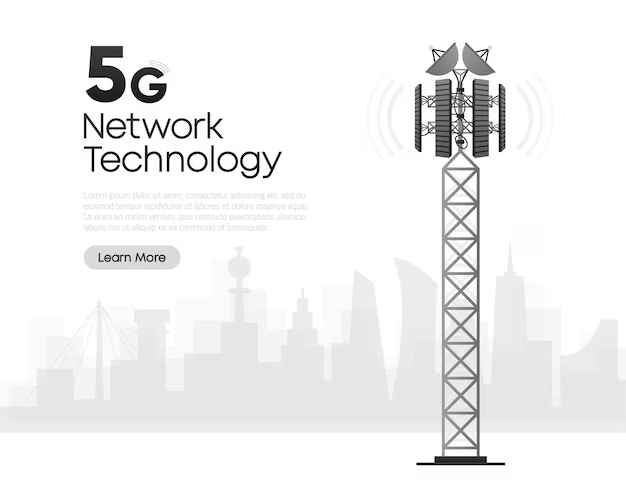
- Faster download and upload speeds
- Reduced latency for real-time applications
- Increased network capacity
- Improved reliability and coverage
Applications Enabled by 5G
.webp)
Internet of Things (IoT)
With 5G's ability to connect millions of devices per square kilometer, we will see an explosion of IoT applications. Everything from smart homes, smart cities, healthcare devices, and agriculture technologies will thrive under 5G infrastructure.

Augmented and Virtual Reality
Immersive experiences with low latency and high bandwidth.

Autonomous Vehicles
5G’s ultra-low latency and reliable communication are crucial for the safe operation of autonomous vehicles. Cars can communicate with each other (V2V) and with infrastructure (V2X) to ensure smooth traffic flow, prevent accidents, and improve transportation efficiency.

Telemedicine
Remote healthcare services with high-quality video and data transmission.
.jpeg)
Enhanced Mobile Broadband (eMBB)
5G improves mobile broadband, enabling richer experiences like immersive virtual reality (VR) and augmented reality (AR). Gaming, entertainment, and live sports will reach new heights, offering seamless and highly interactive experiences.

Industrial Automation
Smart factories and automated industrial operations rely on robust and low-latency communication networks. 5G’s reliability and capacity make it possible to deploy fully automated systems in manufacturing, mining, and other industries.

Smart Cities
5G enables smart city infrastructure, including traffic management systems, waste collection, energy-efficient grids, and security systems. Cities will become more connected and efficient, with real-time data analytics improving daily operations and urban living.
Beyond 5G: Looking Toward 6G
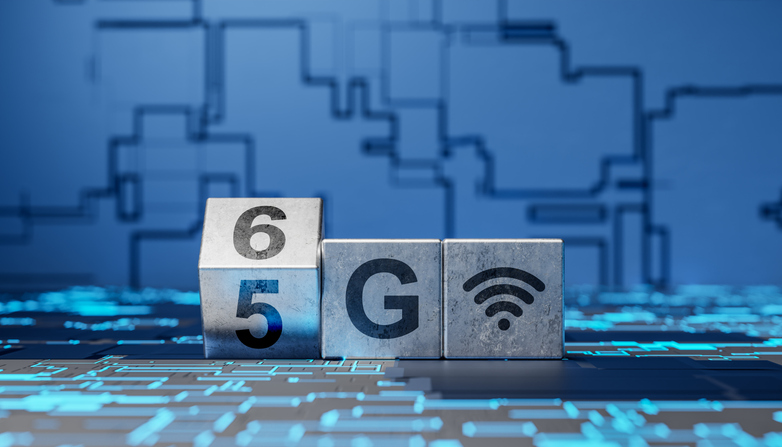
While 5G is still being rolled out globally, research and development for 6G has already started. Expected to be available in the 2030s, 6G will push the limits of wireless connectivity even further, potentially offering speeds up to 100 Gbps, and even lower latency. 6G is expected to facilitate the integration of physical and digital worlds, possibly leading to more immersive XR (Extended Reality) experiences and seamless human-machine interfaces.
As 5G continues to evolve, researchers are already exploring the possibilities of 6G technology. Potential features of 6G include:
- Terahertz (THz) frequency bands
- Artificial Intelligence-driven network optimization
- Holographic communications
- Integrated satellite and terrestrial networks
Conclusion
5G is poised to revolutionize how we experience mobile connectivity and its applications. By offering faster speeds, lower latency, and massive device connectivity, 5G will reshape industries ranging from entertainment to healthcare, transportation, and beyond. As we look ahead to 6G, the future of mobile technology is promising, offering even more transformative potential.